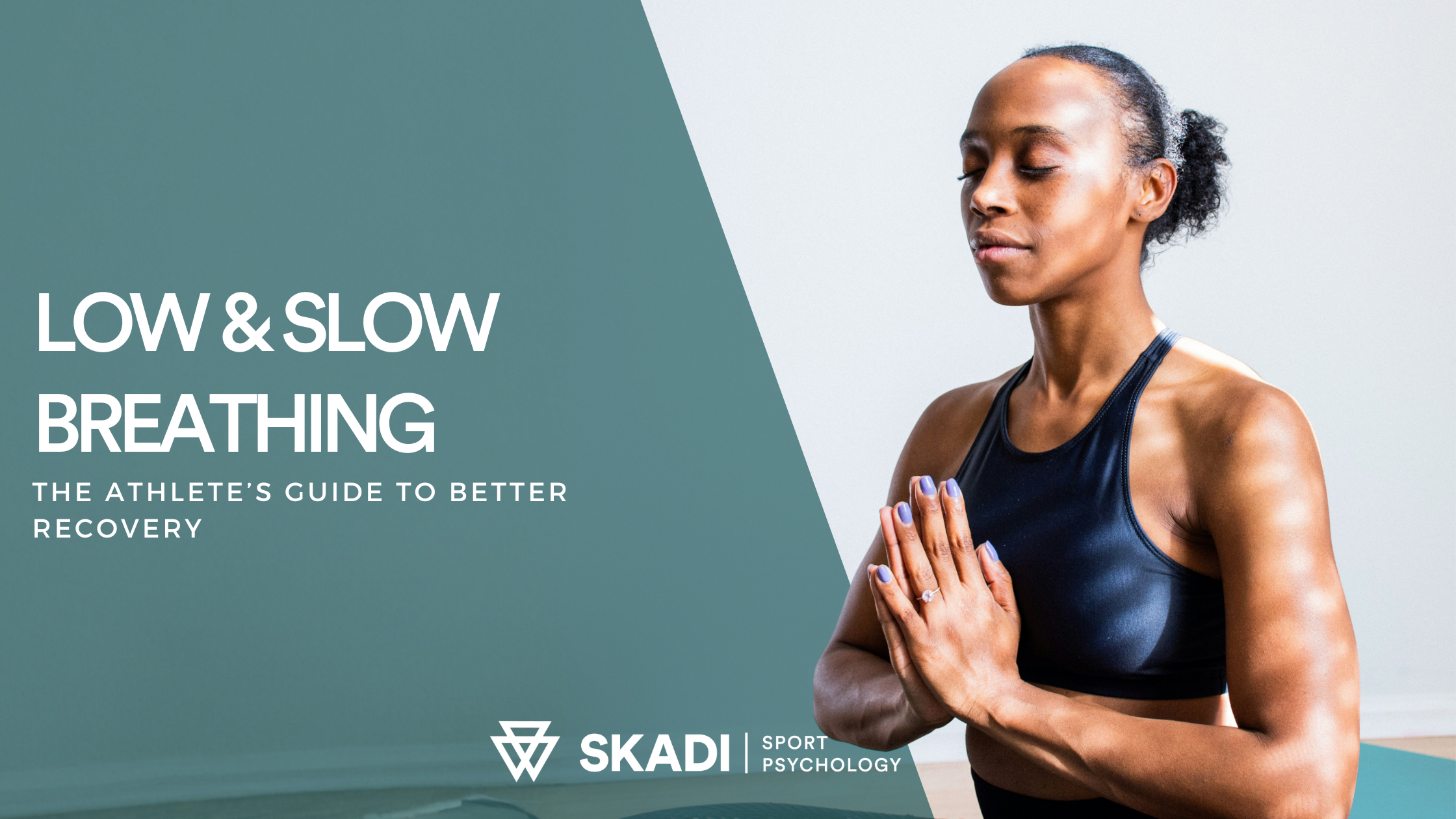
The Secret to Better Recovery 😴 (It’s Not What You Think)


Hi Reader,

Let’s talk about two things that can make or break your performance: sleep and breathing.

I know, they sound basic. But trust me—getting these right can truly improve how you train, recover, and show up every day.

Step One: Breathing
You’ve probably heard it before: “Just take a deep breath.”

Generally, a decent concept, but here’s where things go awry—most people hear “deep” and think “big.” They gulp in air, puff out their chest, and end up overdoing it.

This approach, known as overbreathing (yes, that's a legit term), actually messes with your body’s oxygen delivery system. Instead of calming you down, it can leave you feeling dizzy, anxious, or even more stressed.

The fix? Low and slow breathing.

Here’s how it works:

  • Low: Breathe from your diaphragm, not your chest. Think of your ribs gently expanding as you inhale (like smelling a nice candle).
  • Slow: Aim for about 6 breaths per minute. Inhale for 4 seconds, exhale for 6. Emphasis on the slow. Nice and gentle, my friends.

This technique helps your body shift from stress mode to recovery mode. It’s like flipping a switch that tells your nervous system, “Hey, it’s okay to relax now.”

Want to try it? Check out the full blog post for a step-by-step guide.


Step Two: Sleeping
You train hard, fuel your body, and prioritize recovery. But if you’re scrolling through your phone before bed, you may be holding your body (and brain) back from being able to recover from all of your hard work.

Here’s why:

  • Blue light from screens tricks your brain into thinking it’s still daytime, suppressing melatonin (the hormone that helps you sleep).
  • The content you consume—emails, social media, even training data—keeps your brain wired when it should be winding down.

The result? You struggle to fall asleep, your sleep quality suffers, and your recovery takes a hit.

Here’s how to fix it:
1️⃣ Set a “Digital Sunset”: Turn off screens 60-90 minutes before bed.
2️⃣ Charge Your Phone Outside the Bedroom: Out of sight, out of mind.
3️⃣ Create a Relaxing Routine: Replace scrolling with reading, journaling, or light stretching.

Your phone doesn’t have to control your nights—or your performance.

Read the full blog post for more tips on reclaiming your sleep.


🎙️While we're on that topic...
This week on the Feisty Women’s Performance Podcast, I sat down with Dr. Allison Brager, a military sleep researcher and human performance expert.

We talked about:

  • The science of sleep optimization for athletes.
  • Gender differences in sleep patterns (spoiler: women are more efficient sleepers than men!).
  • Practical strategies for maintaining sleep quality while traveling.

It’s packed with evidence-based strategies that can truly improve how you approach rest and recovery.


🎧 Listen to “Consistency Over Complexity: Simple Sleep Practices That Actually Work” on:

Til next time,
Dr. A

Ready to strengthen your mindset and perform at your best?
Explore our mental health therapy and performance coaching services —and book a free consultation to get started today.

Skadi Sport Psychology

Sign up to be the first to find out about new blog posts, podcasts, research opportunities, publications, and more.

Read more from Skadi Sport Psychology
Feelings of Never Being Enough: A Guide to Perfectionism for Athletes

Hi Reader,Calling all perfectionists in the house! For so many athletes, perfectionism feels like both a blessing and a curse. It’s what gets you out of bed for those early morning workouts. It’s what pushes you to dig deep when your legs are screaming to stop.It has a lot of different forms, and has created some interesting debates in the sport psychology world (good? bad? both?), but if there's anything I've learned, it's definitely a personality trait that you can't simply turn off. No one...

Self Compassion for Athletes how to navigate negative self-talk

Hi Reader,You know that voice in your head after a bad race, a missed shot, or a tough training session?The one that says: "You’re not good enough." "You’ll never make it." "Everyone else is better than you." Yeah, that one. It’s brutal, isn’t it?If you’ve ever caught yourself spiraling into harsh self-criticism, you’re not alone. Negative self-talk is one of the most common mental barriers athletes face.And here's the weird part. The inner critic is not making you better. It’s holding you...

Calling All High School coaches! Is Your Team Culture Helping or Hurting?

Hi Reader,Let’s be real—coaching high school athletes is about so much more than training plans and race-day strategies.It’s about those moments that keep you up at night. Like when your top athlete pulls out of a race with a “stomachache” that’s really about anxiety. Or when you overhear a joke and wonder if your team culture is unintentionally pushing athletes away.Sound familiar? Your role as a coach goes far beyond teaching technical skills or improving race times. You’re shaping the...